Muscle and Joint Pain
Muscle and Joint Pain
When administered in controlled doses, ozone therapy (O₂–O₃) may help reduce pain through its anti-inflammatory and analgesic effects while supporting circulation and tissue repair. In orthopedics and physical medicine, it is used as a complementary treatment alongside conventional therapies.
Supportive Indications
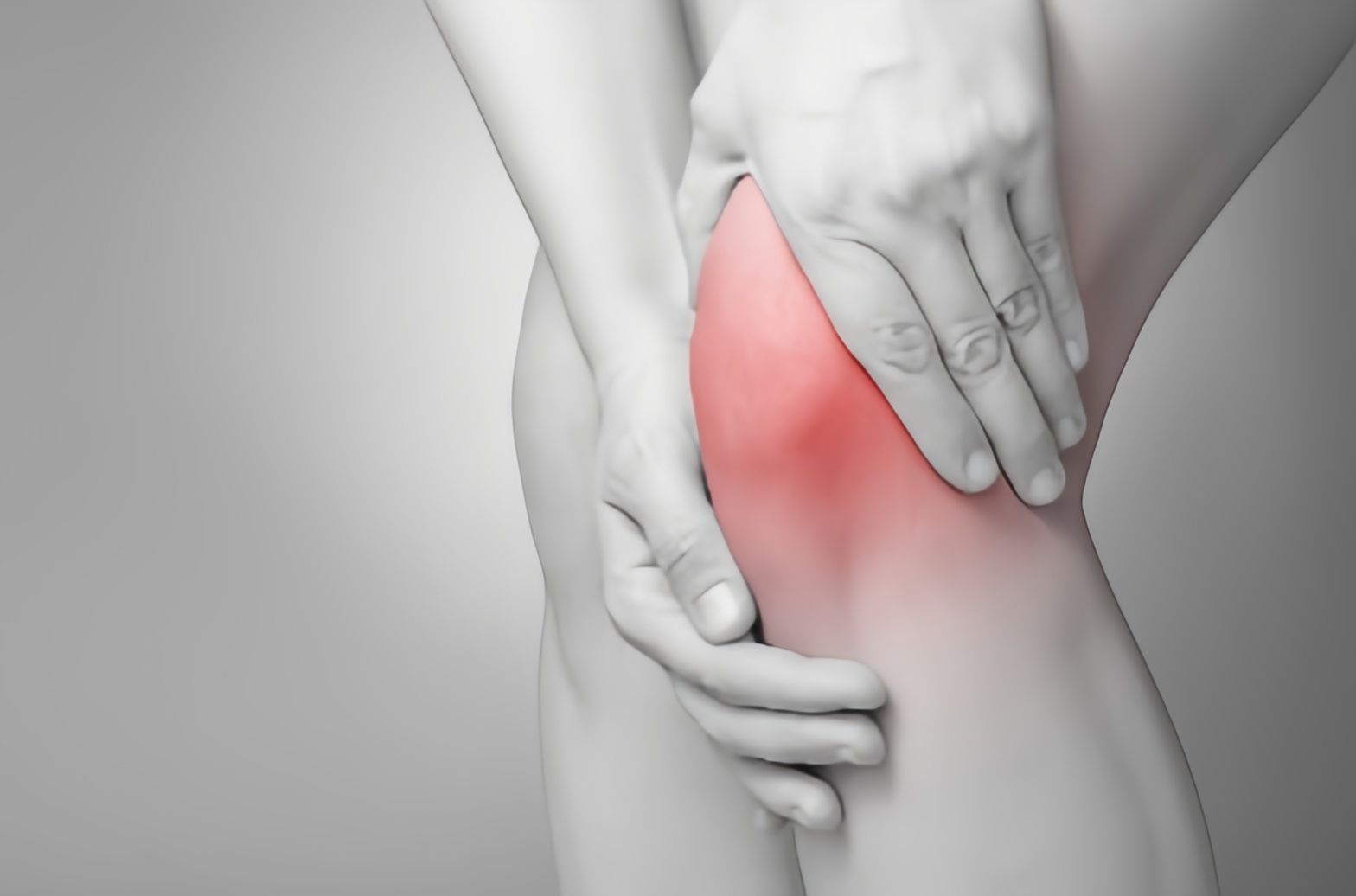
· Osteoarthritis: Supports the management of joint pain, stiffness, and reduced function, particularly in the knees.
· Low back, neck pain, and disc disorders: May help relieve lumbar and cervical pain, including pain associated with nerve root irritation.
· Chronic pain syndromes: Supports the management of long-standing musculoskeletal pain and complex regional pain syndrome (CRPS).
· Tendinopathies: May be beneficial in repetitive strain injuries such as rotator cuff calcific tendinitis, supraspinatus tendinopathy, Achilles tendinopathy, and plantar fasciitis.
· Support for fracture healing: In selected cases, may help promote bone healing and angiogenesis as an adjunctive therapy.
· Osteonecrosis (especially of the femoral head): May support tissue oxygenation and immune regulation.
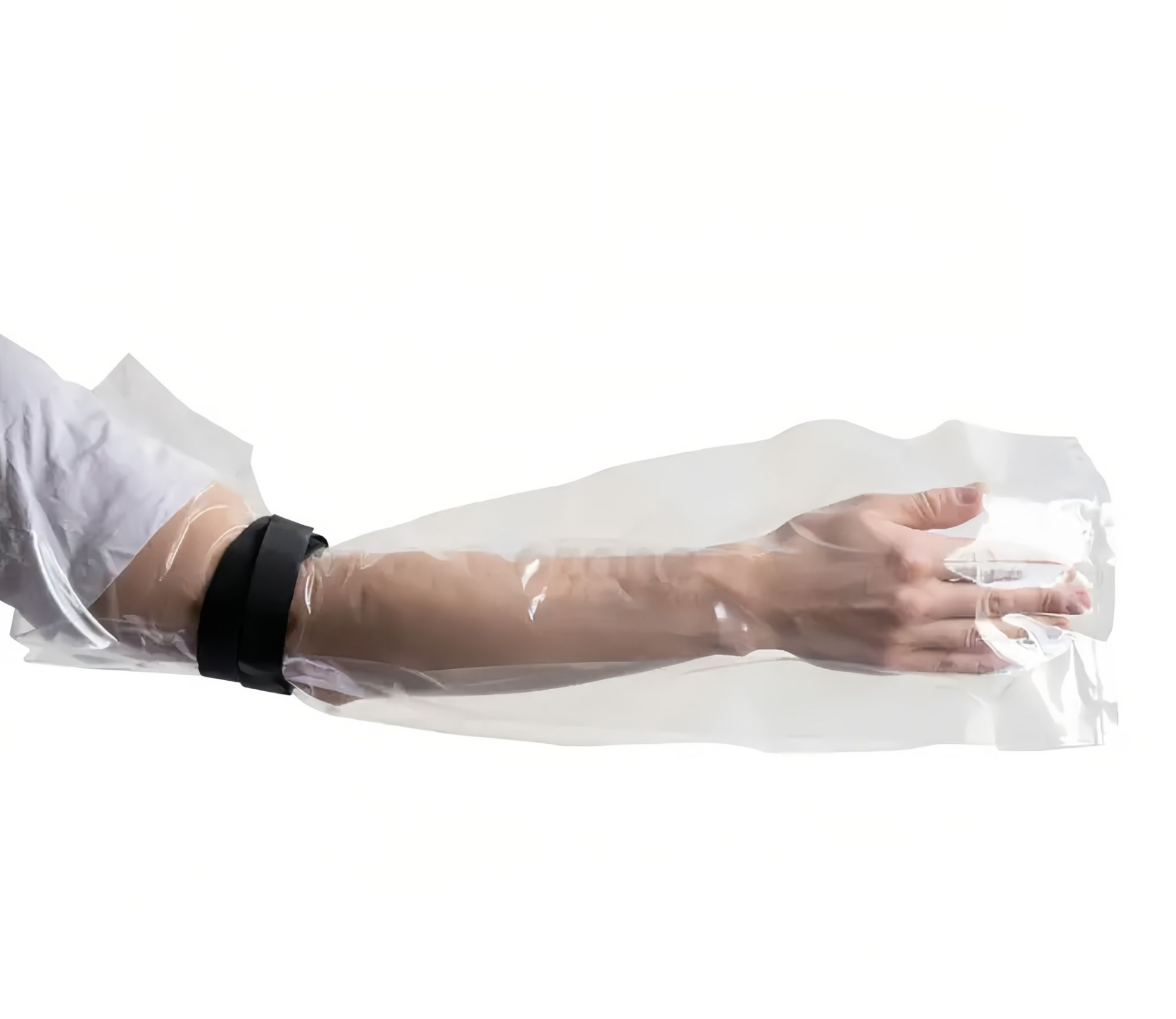
· Osteomyelitis: As an adjunct to standard treatment, local/topical ozone applications may support wound healing and infection management.
· Fibromyalgia and ME/CFS: May contribute to symptom management by helping reduce fatigue and widespread pain.
· Chronic wounds and ulcers: Local ozone applications may promote tissue repair in diabetic foot ulcers and delayed wound healing.
Note: Ozone therapy is not a substitute for surgical or standard medical treatments. It should be planned as a complementary therapy following a physician’s assessment.
At our clinic, personalized ozone therapy protocols are administered by an experienced medical team using individually tailored dosages.